Writing Again in the Age of AI: What’s Different Now?
I started blogging in 2011, then stopped once I started working. Now I’m writing again, this time with AI. It turns out the tools aren’t the only thing that changed.
Baca dalam Bahasa Indonesia →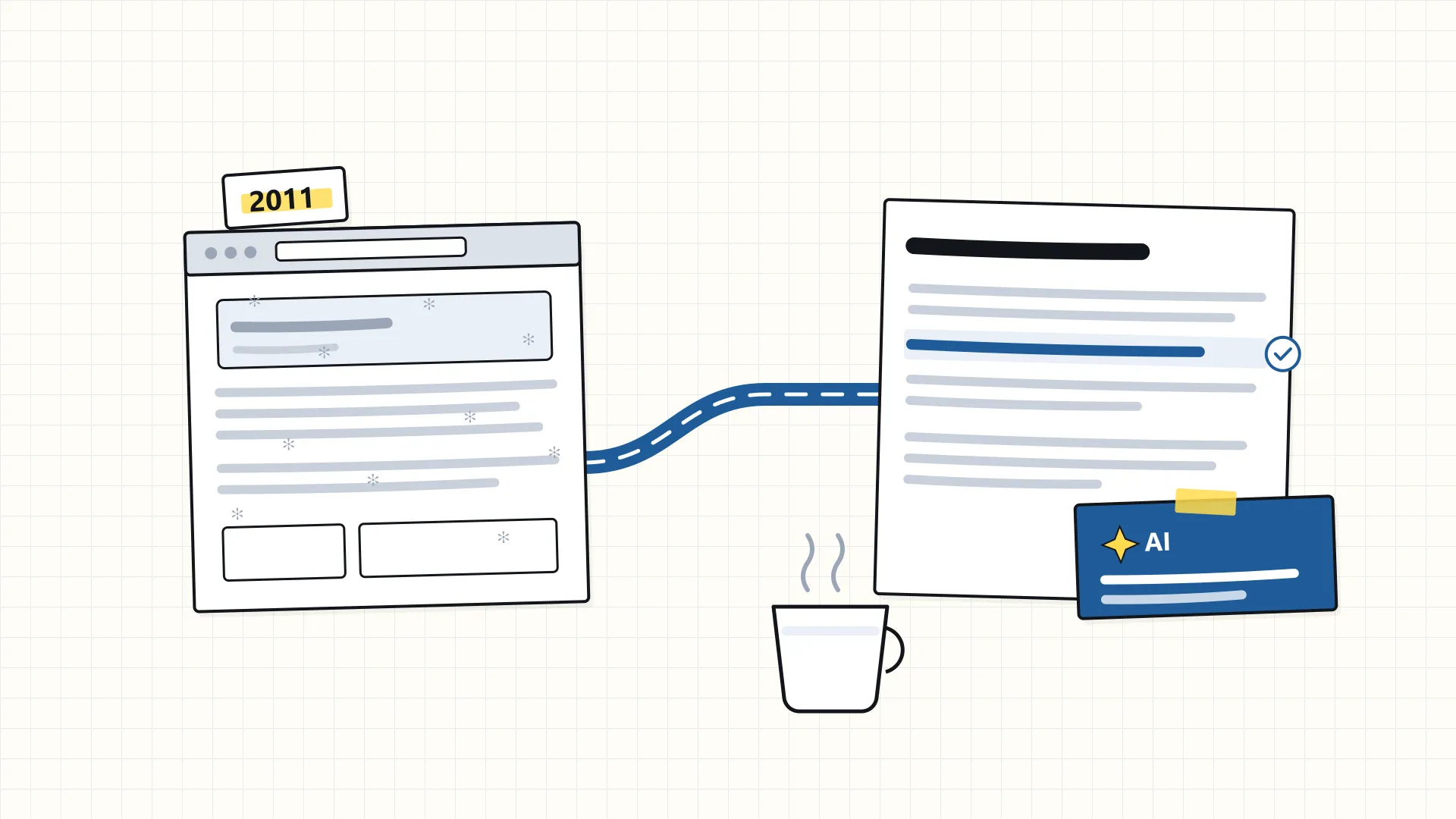
On this page
After a few years of not writing anything for other people to read, I’ve decided to start again, here on this site. One thing is different this time, though. There’s now AI that can write a whole article in a matter of seconds.
That raises a simple question that turns out to be surprisingly hard to answer. If AI can write that fast, which parts should I still do myself?
Before getting to that, a bit of backstory.
Blogging Isn’t New to Me
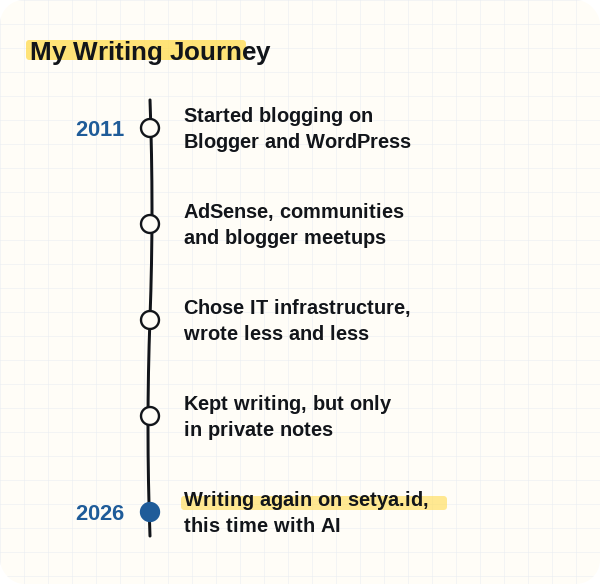
I first got into blogging in 2011, while I was still at school. Back then it was Blogger and WordPress, and that’s where I started writing regularly.
I still remember how much fun it was to tinker with a blog in those days. Setting one up, pointing it at a free .co.cc domain (anyone who blogged back then will know that one), and trying all sorts of CSS tricks, from custom cursors to snow falling across the screen. A bit cringeworthy looking back, but those are good memories.
Over time, blogging became a habit. I started with general topics, then moved towards IT once I realised that’s where my interest really was. Every now and then I’d also challenge myself to write about topics outside my interests.
That habit eventually led somewhere that felt amazing at the time. It turned out a blog could make money. I still remember the feeling of getting a letter from Google at home with my Google AdSense PIN, after my account reached the minimum balance. From there I also got to know dropshipping, reselling and affiliate marketing, things that have become popular again lately.
That world introduced me to a lot of people, too. I joined communities like AdSense-ID (now Ads.id), went to meetups like Blogger Nusantara, and met internet marketers in person whom I’d only known through a screen.
A Crossroads: Internet Marketing or IT Infrastructure
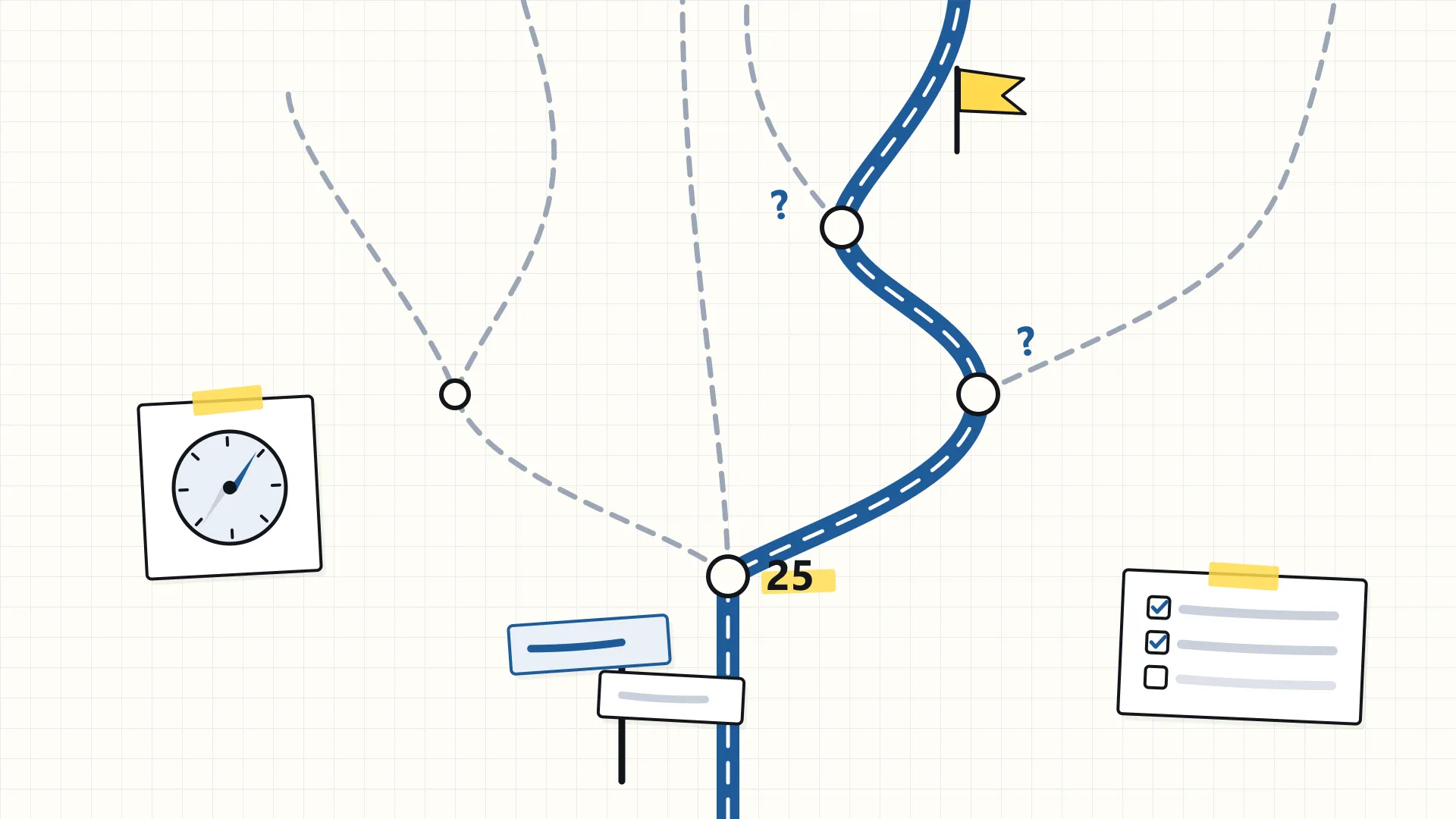
Earning money online while still at school also left me torn, standing at a crossroads, when it came to choosing a career. Should I go deeper into internet marketing, SEO and everything around it? Or follow my other interest, IT infrastructure?
In the end I chose IT infrastructure. My thinking at the time was that I could still do internet marketing, just as a hobby.
The catch was that most of my blog traffic came from SEO. That meant spending a lot of time keeping up with algorithm changes and running experiments. Once I started working professionally and life got busier, I wrote less and less, until I stopped altogether.
A Habit That Never Really Went Away
Still, a habit built over years doesn’t just disappear. It felt more like it shifted.
I used to write about general topics on a blog anyone could read. Now I mostly write technical notes and things on my mind, but somewhere private, in a notes app or Notion. The writing never stopped. It just never got shared.
Trying to Write Again With AI
The urge to write again didn’t come out of nowhere. Part of it came, indirectly, from a friend who still writes consistently. His writing is personal notes, but he shares them, with his own point of view. Seeing how consistent he’s been, I’ll admit it rubbed off on me.
This site can also be a way for me to look back one day. How far has my thinking come? Do I still see things the same way? Will the things that feel hard now still feel hard a few years from now? Hopefully the site is still around by then, haha.
At the same time, AI has found its way into almost every kind of work. Besides using it to build simple tools that make my work easier and keep me productive, I started thinking about using it for writing too, to make the process lighter.
But how should I use it? Hand the whole thing over to AI? Or is there a better way?
Before this site went live, I tried a few approaches. In one, I gave AI only the main topic and let it do the rest. In another, I added a short brief. In another, I wrote it myself with a clear outline and a storytelling style, and AI helped at the end. There were a few other variations, too.
Across all those experiments, one thing stood out. AI makes writing much easier, but that doesn’t mean you can hand everything over to it.
Give it just a topic or a theme, and yes, you’ll have an article in minutes, even seconds. But that kind of writing feels lifeless. It’s tidy, but it reads like a generic piece with no clear point of view.
That makes sense when you think about it. Without the writer’s own experience and opinions, AI can only fill the gaps with the most common ideas. The result is correct, but anyone could have written it.
What Helps and What to Watch Out For
The helpful side is pretty clear. Work that used to take a long time, like checking spelling, finding a better word, untangling a messy sentence or translating into another language, now gets done much faster.
There are a few things to watch out for, though. First, AI can write something that sounds convincing but is wrong, including made-up facts, numbers or stories that never happened. If you don’t read it carefully, mistakes like that can end up published under your name.
Second, writing can slowly start to sound the same. If everyone uses AI without giving it direction, writing on the internet will sound more and more alike.
Third, the thinking itself can get handed over. Writing isn’t only about putting sentences together. It’s also how you sort out what’s in your head. If that part goes to AI as well, you lose more than your writing style. You lose the practice of thinking.
And for anyone working in IT, there’s one more. Be careful what you paste into AI. Internal company information, customer data and system details shouldn’t end up in the AI tools you use.
How I Write Now
So I still do what I used to do, including for this piece. I start with an outline, the sections or subtopics I want to cover. Then I write each paragraph as if I’m telling a story, saying what I actually want to say.
Wait, if I write the outline and the content myself, what is AI for? Isn’t the whole point of using AI to make things easier? Fair question.
I keep writing in a storytelling way so that the point of view in every piece stays mine. My opinions aren’t AI’s to represent.
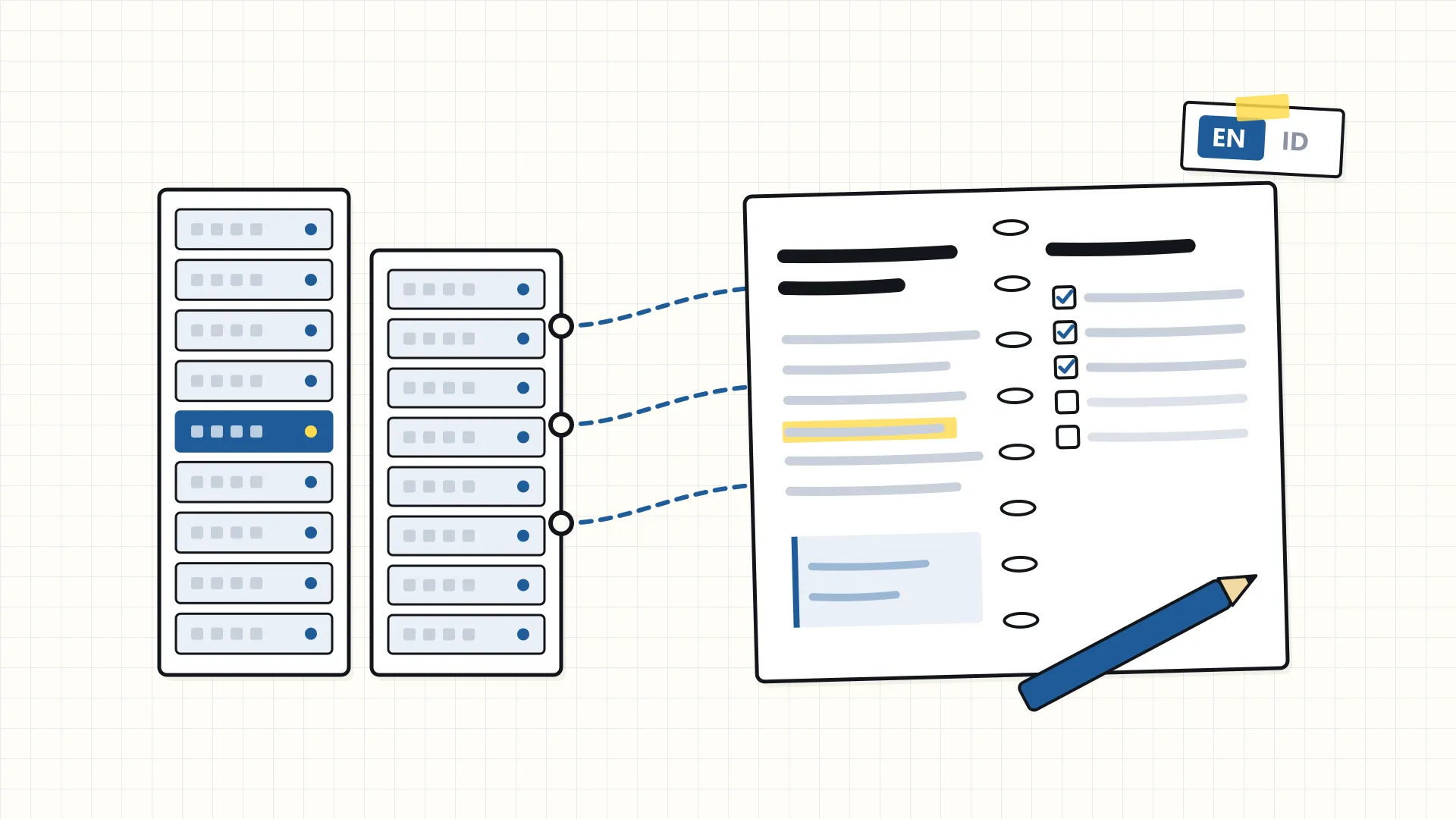
AI works more like an editorial assistant here, and a sparring partner. It helps translate my writing into English and smooths out sentences that need work, without changing the core of what I think. I’ve also given it plenty of examples of my own writing, so its edits still feel personal when you read them.
It turns out its role goes beyond tidying sentences, though. It often questions my arguments, points out parts that are unclear or claims that go too far, adds context and technical detail, and suggests titles and structure. I still read every suggestion and choose for myself. What fits stays, and what doesn’t match what I mean goes. I also explain how I use AI on this site on the Disclosure page.
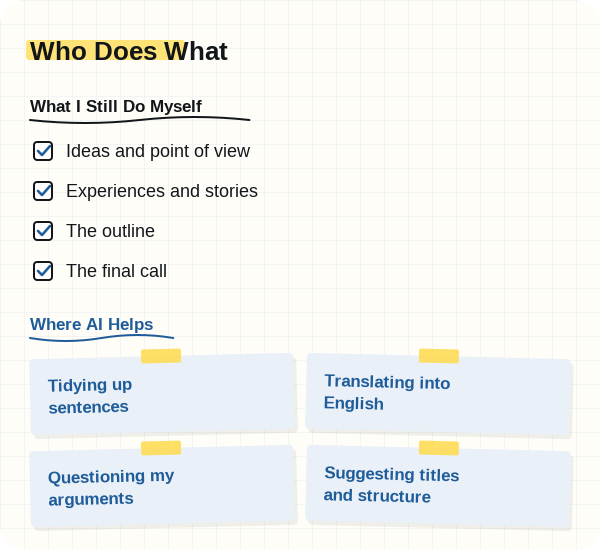
So I’m still the one writing these articles. I bring the point of view, and I stitch the story together in each one. In the past, publishing a single article could take me hours, even days, just to check it over and find better words until it felt good enough to publish.
Now that part feels much lighter. Checking, tidying sentences and translating can be done over a cup of coffee. What still takes time is working out what I want to say and writing the story, and that’s exactly the part I should keep doing myself.
So, What’s Different?
Compared with my old blogging days, a lot has changed. There are new tools, editing is much faster, and there are risks that didn’t exist before. But the most important part hasn’t changed at all: what I want to say, and whose point of view it is.
For why I write here, in the words of this site’s tagline, “Notes from my journey in IT: what I’m learning, building and getting wrong”, this kind of help means a lot. The journey I’m writing about is still my own. AI helps those notes come out cleaner and reach readers sooner.
In the end, writing with AI has two sides, depending on how we use it. Maybe the more useful question isn’t whether we should use AI to write, but which parts we should keep doing ourselves?